Palm Tree Removal in Doylestown, PA
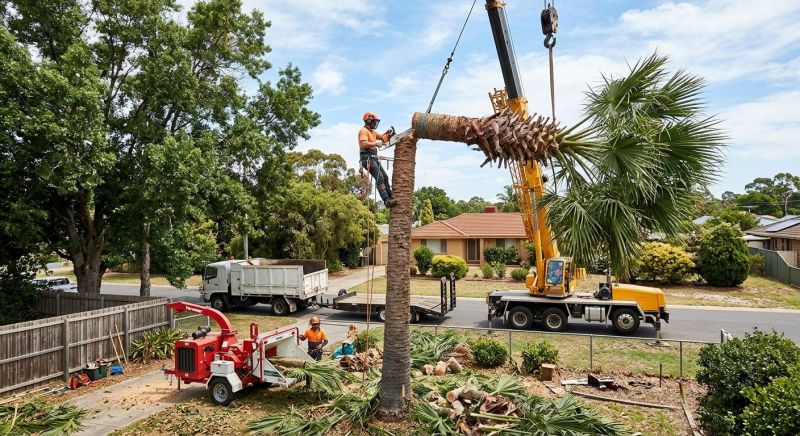
Palm tree removal services involve the safe and efficient extraction of palm trees that are dead, diseased, damaged, or no longer suitable for a property. This process typically includes assessing the tree's condition, carefully cutting and dismantling it, and removing the debris to ensure safety and cleanliness. Projects may range from removing a single problematic palm to clearing multiple trees across a large property, often to improve landscape appearance, prevent property damage, or prepare for construction or landscaping upgrades.
Property owners considering palm tree removal should understand the importance of proper planning and safety precautions, especially for taller or more mature trees. It’s helpful to know the location of underground utilities, the proximity to structures or power lines, and any potential hazards involved in the removal process. Clarifying these details beforehand can ensure a smoother project and help determine the best approach for safely removing unwanted palm trees.
Many property owners in Doylestown, PA look into Palm Tree Removal for repairs, replacements, upgrades, and appearance-related improvements.
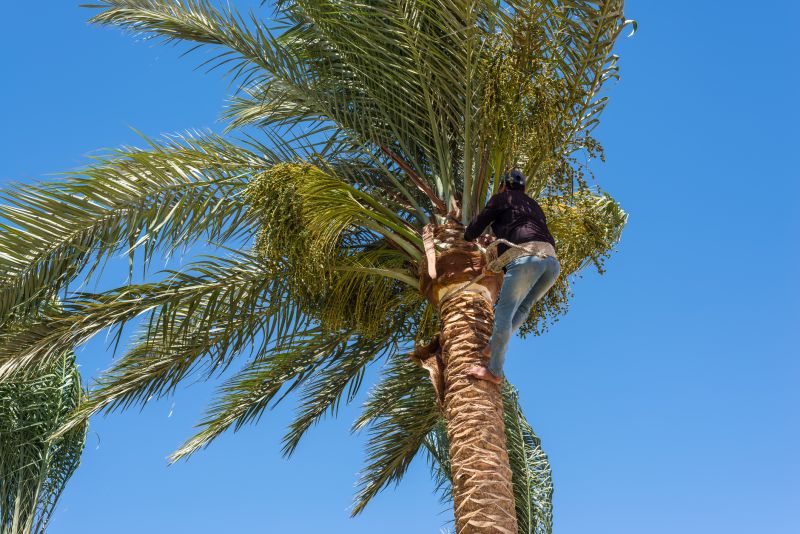
Tree Removal For Safety
Removing hazardous or dead palm trees helps protect property and people.
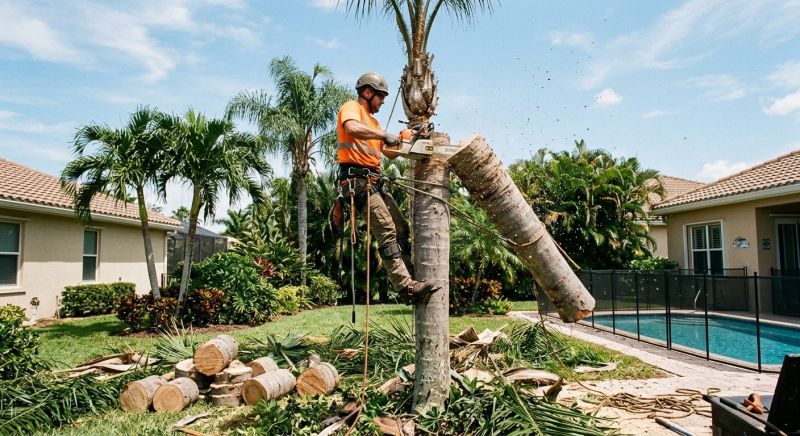
Enhancing Property Appearance
Removing unwanted palms can improve the overall look of residential and commercial landscapes.
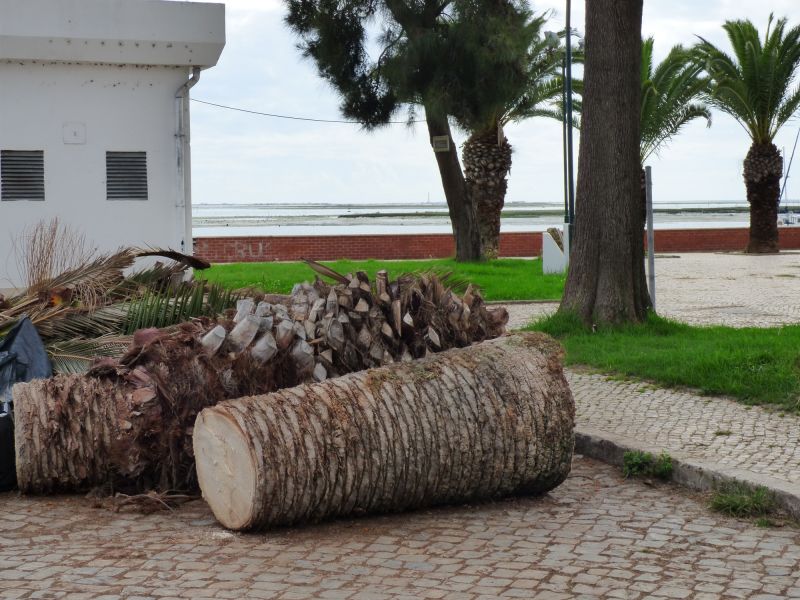
Managing Overgrown Trees
Trimming and removing overgrown palms maintains healthy growth and prevents damage to structures.
Palm Tree Removal in Doylestown, PA
Palm tree removal services involve the safe and efficient extraction of palm trees that are dead, diseased, damaged, or no longer suitable for a property. This process typically includes assessing the tree's condition, carefully cutting and dismantling it, and removing the debris to ensure safety and cleanliness. Projects may range from removing a single problematic palm to clearing multiple trees across a large property, often to improve landscape appearance, prevent property damage, or prepare for construction or landscaping upgrades.
Property owners considering palm tree removal should understand the importance of proper planning and safety precautions, especially for taller or more mature trees. It’s helpful to know the location of underground utilities, the proximity to structures or power lines, and any potential hazards involved in the removal process. Clarifying these details beforehand can ensure a smoother project and help determine the best approach for safely removing unwanted palm trees.
Many property owners in Doylestown, PA look into Palm Tree Removal for repairs, replacements, upgrades, and appearance-related improvements.
Common Palm Tree Removal Jobs
Palm Tree Removal - Safely removes unwanted or damaged palm trees from residential properties.
Stump Grinding - Eliminates remaining stumps to prevent regrowth and improve landscape appearance.
Tree Trimming & Pruning - Maintains palm health and appearance through proper trimming techniques.
Emergency Palm Tree Services - Provides quick removal of fallen or hazardous palms after storms or accidents.
Land Clearing - Clears large areas of overgrown palms to prepare for new landscaping or construction.
Hazard Tree Assessment - Evaluates palm trees for potential risks and recommends removal if necessary.
Palm Tree Removal Questions
When should a palm tree be removed? Removal may be necessary if the tree shows signs of disease, damage, or poses a safety risk due to falling branches or instability.
What signs indicate a palm tree needs removal? Indicators include dead fronds, trunk rot, leaning, or significant pest infestation.
Is it possible to remove a palm tree without damaging surrounding plants? Yes, proper planning and equipment can help minimize impact on nearby landscaping during removal.
What types of palm trees are commonly removed? Commonly removed palms include those that are dead, diseased, or too large for the property’s space.
Request Palm Tree Removal in Doylestown, PA
Use the quote form on this page to share the basics of your project and request more information for the type of work you need.